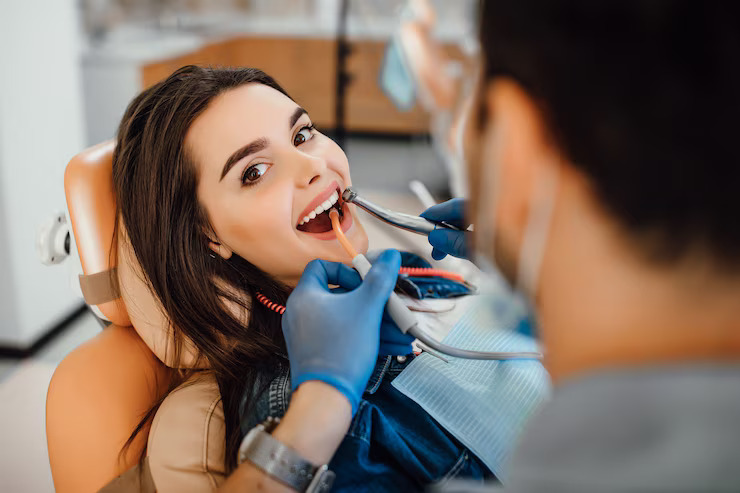
A healthy smile is a universal symbol of confidence and well-being. If you’re living in Abidjan, Ivory Coast, and seeking exceptional dental care, you’ve come to the right place. This blog post will be your guide to navigating the dental landscape in Abidjan, highlighting top-rated clinics and experienced dentists catering to diverse needs.
Finding the Perfect Fit: Matching Your Needs with the Right Dentist
Abidjan offers a variety of dental clinics, each with its own specialties and services. Here’s how to narrow down your search and find the perfect dentist for you:
- General Dentistry: Looking for routine checkups, cleanings, or fillings? Most dental clinics in Abidjan offer general dentistry services.
- Cosmetic Dentistry: Does your smile need a makeover? Several clinics specialize in cosmetic dentistry, offering procedures like teeth whitening, veneers, and dental implants.
- Orthodontics: Considering braces or clear aligners to straighten your teeth? Look for clinics with orthodontists on staff.
- Pediatric Dentistry: Finding a dentist abidjan who specializes in treating children can make the experience more comfortable and positive for your little ones.
- Language Preferences: Many clinics in Abidjan cater to a diverse clientele and offer services in French and English.
Top-Rated Dental Clinics in Abidjan:
Based on online reviews, recommendations, and accreditations, here are some of the highly regarded dental clinics in Abidjan:
- Cabinet Dentaire Zorkot: Located in Zone 4C, Abidjan, this clinic offers a range of services, including general dentistry, cosmetic dentistry, and dental implants. Dr. Zorkot, a specialist in veneers, leads the team. They boast a Google rating of 3.7 stars with reviews praising their professionalism and modern equipment.
- Clinique Dentaire Abidjan: Situated in 13BP1982 Abidjan 13, this clinic provides general and cosmetic dentistry services. With a 4.3-star Google rating, patients commend their friendly staff and comfortable environment.
- Clinique Dentaire Panorama: This clinic, located at 5°17’19.6″N 3°59’18., Avenue 7, offers general dentistry, orthodontics, and dental implants. While they have a limited number of online reviews, their perfect 5-star rating on Google highlights patient satisfaction.
Additional Tips for a Smooth Dental Experience in Abidjan:
- Insurance: Check with your insurance provider to see if they cover dental services in Abidjan.
- Cost of Treatment: Dental procedures can vary in cost depending on the complexity and chosen materials. Request a consultation and price quote before starting any treatment.
- Communication: Don’t hesitate to ask questions and clearly communicate your needs and concerns to your dentist.
Beyond the Clinic: Maintaining a Healthy Smile in Abidjan
While visiting a dentist is crucial, here are some additional tips for maintaining a healthy smile in Abidjan:
- Brushing and Flossing: Brush your teeth twice a day and floss daily for optimal oral hygiene.
- Healthy Diet: Limit sugary drinks and processed foods, which can contribute to tooth decay.
- Regular Cleanings: Schedule regular checkups and cleanings with your dentist, typically every six months.
- Fluoridated Water: Abidjan’s tap water may not be fluoridated. Consider using a fluoridated toothpaste or consult your dentist for recommendations.
Smiling with Confidence in Abidjan
With its diverse range of dental clinics and experienced practitioners, Abidjan offers excellent options for maintaining a healthy and beautiful smile. By following these tips and choosing the right dentist, you can ensure a positive dental experience and a brighter future for your oral health.
Remember, a healthy smile is an investment in your overall well-being. So, schedule your appointment today and start shining bright in Abidjan!


